

By Gill Gallagher
The recent Women in Agriculture conference, organised by the Ulster Farmers’ Union, was a sold-out success with a welcome presence from school pupils, the next generation of our industry. A diverse array of topics were covered, including an important panel discussion by Rural Support on the difficult topic of succession planning.
As NIGTA Chief Executive, I was pleased to be involved in the event and took the opportunity to highlight the wealth of exciting career opportunities available within the agri-supply trade, which are open to everyone. A plethora of roles suitable for all kinds of skillsets and interests exist, with excellent career prospects attached. From the thrill of trading commodities to researching and developing novel feed products to improve performance, animal health and the environment, there is something for everyone. And it is important to highlight that within the NIGTA membership there are already women thriving in all of these positions and playing key roles at all levels within their respective organisations. Furthermore, they are in those very positions because they have earned their place and been identified as the best candidate for the role, which is a key principle when it comes to gender inclusivity. That being said, there is of course room for more talented individuals, particularly at a senior level, which is why events like the Women in Agriculture conference are so valuable for showcasing the different career paths and opportunities that are available, as well as providing support to anyone interested in pursuing them. Afterall, we are an important part of one of Northern Ireland’s most important industries, worth over £5 billion.
Providing networking opportunities is essential for building contacts and relationships within the industry and as a means of peer support. As well as organising an annual dinner, NIGTA host quarterly lunches for members as a means of networking and while these have tended to be male dominated in the past, things are changing, and it is encouraging to see many more women and younger members attending.
At the end of the previous week, I was delighted to be invited to join the judging panel for The ABP Angus Youth Challenge Exhibition 2022, a competition open to secondary level pupils from all backgrounds, whether rural or urban. The excitement in the Eikon Centre was palpable on judging day and it was energising to experience such enthusiasm from the young people, eager to explain the research behind their chosen project on farming and food production. And, significantly, there was a natural equal gender mix of pupils participating, demonstrating that the young women of the future are every bit as capable, interested in and committed to farming and the agri-food industry as their male counterparts. After a year steeped in volatility and uncertainty, it was refreshing to be inspired by the next generation and the future of our industry.
- Category: Feed Forum

It has been a year like no other for markets, which have been impacted by a swathe of disrupting factors that have led to prolonged volatility and difficult trading conditions.
Recent currency moves in response to the UK government’s mini-budget have resulted in the value of sterling dropping to historic lows, particularly against the US dollar, which is the world’s reserve currency. With most global transactions taking place in dollars for the likes of animal feed materials, fertiliser, oil and gas, the weakening of the pound has placed further pressure on raw materials and energy prices.
Since February, the value of sterling has dropped by around 20% and this is having the biggest impact on higher value products like soya and fertiliser. Taking an approximate price for soymeal of $600 per tonne, the weaker pound by itself has added around £116 onto the cost per tonne, as illustrated by the chart below.

Electricity and gas prices are both substantially higher than the same period last year with the effect of the plunging pound liable to make these increases even more pronounced. This is having a significant impact on feed manufacture, particularly for the more energy intensive pelleted products. Higher energy prices had already been adding to the cost of feed manufacture by anywhere between £10-£20 per tonne, despite businesses taking steps to improve energy efficiency where possible. In addition, haulage rates have gone up by around 20% due to higher fuel costs and wage inflation.
Just over a week ago the Department for Business, Energy & Industrial Strategy announced an Energy Bill Relief Scheme with discounts to be applied to energy usage between 1st October and 31st March 2023 for businesses in Great Britain. There was mention within the statement that a similar scheme would be established in Northern Ireland, providing a comparable level of support, but as yet no further details have been released, so it remains unknown how businesses in Northern Ireland will be supported and when.
Similar pressures are being felt across Europe as FEFAC, the European Feed Manufacturers’ Federation, have warned of the growing threat for a number of SME manufacturers to be driven out of business as a result of the escalating energy procurement costs.
Meanwhile, there has been a continued reduction in fertiliser production across Europe and supply lines have been greatly reduced as a result of gas prices and sanctions, which have been further complicated by the influence of currency.
- Category: Feed Forum

The Northern Ireland Protocol Bill, recently announced by the UK Government, is a unilateral attempt to draw to a close, once and for all, the remaining challenges, both political and, for those businesses dependant on GB to NI trade flows, economic. Whilst a negotiated settlement is a much-preferred solution, the Northern Ireland Grain Trade Association (NIGTA) share the frustration felt over the delays in resolving the outstanding matters, which is driving the UK’s position. However, it is essential that UK solutions strike a very delicate balance to ensure that the part of the NI Protocol Bill which could allow goods banned in the EU to be used for livestock production in NI does not result in the loss of our ability to trade across the border.
Whilst the Protocol is by no means perfect and there are undoubtedly outstanding issues which need to be resolved, it has allowed NI access to the European market in way that is not available to any other part of the UK. Goods crossing the border or going into mainland Europe are not subject to any customs, tariffs or physical checks and it is vital that this can continue. As such, it is essential to ensure that measures intended to resolve East-West trade issues do not end up compromising North-South trade freedoms.
Proposals on ‘green and red channels’ were put forward in the NI Protocol Bill to reduce administrative bureaucracy for businesses trading with the UK, whilst ensuring checks are carried out on goods entering the EU. This may work in the context of goods for final consumption in NI, helping to alleviate pressures on retailers. However, a major question mark hangs over intermediate goods, which relates to goods sold in NI through the green lane channel that are eventually subject to further processing and onward sale into the EU. This also includes products that could use raw materials that would be taxed elsewhere in the EU but not on arrival in NI. As such, how would the EU respond to such “backdooring” of goods through NI into the EU? Would they require goods manufactured in NI to make full customs declarations before being sold across the border? It is as yet unclear how UK policy may avoid this possible outcome.
In addition, the potential ramifications of operating a dual regulatory regime in NI needs to be very carefully considered, particularly in the context of increasing regulatory divergence between the UK and EU. For instance, for livestock vaccinated, or fed with products approved in the UK but not in the EU, what safeguards will be required to ensure that milk or meat does not end up in the Irish or mainland EU market? Would such scenarios result in the need for export health declarations across the agri-food supply chain before agricultural goods from NI could cross the border? The need for customs declarations, testing or physical checks effectively removes the unfettered access that we currently cherish.
Over 2.5 million tonnes of animal feed are produced in NI annually and around 150,000 tonnes are sold into the Republic of Ireland. We feed enough dairy cows to produce around 2.5 billion litres of milk, one third of which moves south for processing, with many of those products then exported worldwide. As such, it is important to understand the potential risks of devising solutions that could undermine what is currently working well for NI in terms of all-island trade. The mere risk of losing unfettered access to markets creates significant uncertainty, which in turn may deter customers in the EU today from entering into long term supply contracts with NI processors, unsure whether in a year or two export health certificates and customs paperwork might be required with each delivery to their factories.
It is clear that neither side has all the answers to the challenges of NI trade yet. But as a member of the NI Business Brexit Working Group, NIGTA is continuing to engage with UK and EU officials to highlight the practicalities and impacts of proposed measures in the hope that informed policy will lead to a resolution that, in solving one problem, does not simply create another equally damaging problem. Both the UK and EU must urgently re-engage to find solutions and remove the uncertainty that exists, which is damaging local businesses and wider society. Whether it be the EU express lanes or the UK green lanes, it is the underpinning mechanics, or the policies produced, that need to be carefully considered and “road tested,” which is where NIGTA intends to focus its efforts in the months to come.
- Category: Feed Forum
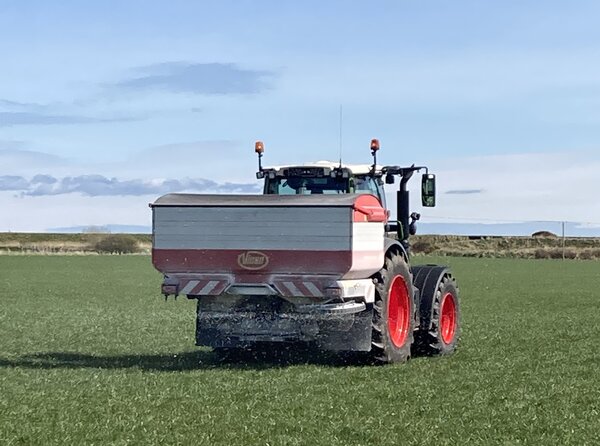
With global supply chains rocked by the war in Ukraine, attention is turning to how to manage the ongoing situation and prepare for the winter ahead.
Fodder stocks should be carefully considered, and time is of the essence given that this is the critical period for nutrient application as the window for achieving the highest grass quality potential is between now and July. If fertiliser is not spread soon, a fodder crisis for next winter could be unavoidable.
Maximising nutrient use efficiency is more important than ever given the stark rise in input costs and the key to achieving it is to ensure soil pH is maintained at the correct level, typically 6-6.5 pH for mineral soils, as sub-optimal soils can limit both yields and quality. Thankfully, reports from last year suggest that farmers were paying closer attention to their pH and investing in lime which will stand them in good stead for the season ahead. Routine soil testing and analysis is a habit worth forming and should be continued in the Autumn with appropriate action taken thereafter.
Manures of all descriptions will be valued more highly this year and whilst it is important to utilise the nutrients available on farm in the first instance, it is essential that the crop requirements are fully met to build a bountiful, high quality fodder bank to buffer the winter months ahead. The importance of growing and managing high-quality grass should not be underestimated, instead it should be the focus, as a means of maximising production and offsetting the cost of farm inputs. As such, the temptation to cut back on fertiliser, thereby undersupplying certain nutrients, could be a false economy.
Fertiliser availability has been widely debated given the Russian invasion of Ukraine and escalating energy markets. Sanctions against Russian vessels and commodities have further exacerbated the sourcing challenge and it is imperative that swift action is taken where Russian interests have been divested to allow trade to flow. Clarity from government in this respect would provide companies with much needed reassurance to resume trade.
Whilst there is no doubt that this is not a normal year and that product choice may be more constrained than previously, alternative sources of fertiliser are available, albeit with increased competition. The time lag for shipping must also be factored in and it is therefore important that supply requirements are known in advance so that appropriate preparations can be made. Procuring product remains very challenging and international prices are still holding firm so while farmers may have been hoping fertiliser prices would ease in the short term, this seems unlikely.
- Category: Feed Forum

By Gill Gallagher, NIGTA CEO
After almost a decade of heading up the Northern Ireland Grain Trade Association (NIGTA), Robin Irvine has just retired as Chief Executive. As Robin’s successor and as leader of the Association I took the opportunity to share his reflections on his career in the feed trade.
“The work of the Association has always held a special interest for me, having joined the feed trade straight after graduating from Harper Adams. Working for a number of years with John Thompson & Sons, I then moved to Fane Valley Cooperative Society as Agricultural Manager and latterly as Managing Director of Fane Valley Feeds. I was always aware of the important role played by NIGTA in leading the industry and raising standards – establishing the first Code of Practice for feed manufacture, which later became the Universal Feed Assurance Scheme (UFAS).”
During this time, Robin held the position of convener of the compounder’s committee and served as President of NIGTA on two occasions.
“In those days the Presidents had to be very much engaged and were expected to lead the Association through the current challenges. In my first term the issue was the safety of our delivery drivers. This was when most milking parlours had a loft for feed storage and drivers had to climb up to secure the discharge pipes as part of the delivery. This was often quite hazardous – but with the help of the UFU and HSE we ran a campaign to raise awareness of the risks and improve the facilities on farm. I served as President again in 2007 when the environmental issues were starting to come to prominence with phosphates identified as the major issue in relation to water quality. A working group was set up within NIGTA to look at the potential for reducing feed phosphorus without impacting animal health or performance. This led to the trade taking an initiative to introduce a voluntary commitment to reduce phosphorus levels in dairy feeds which all member companies subscribed to. Ongoing efforts, based on industry funded research, have led to further reductions in the level of phosphorus excretion across all species.”
“In 2012 when the decision was taken to appoint a Chief Executive to NIGTA I knew immediately that this was a job I wanted to do and I was delighted when my application was successful. One of the first challenges was food safety – with the dioxin contamination which had caused a major food scare in the South of Ireland fresh in the memory - contact had been made with Queen’s University with a view to establishing an industry wide program to protect the food chain from contamination. This was to become the Food Fortress program – now comprising over 80 feed businesses across Ireland and covering in excess of 6 million tonnes of compound feed production. A good few miles were travelled up and down Ireland and I enjoyed meeting people in businesses ranging from some of the largest feed mills in Europe to smaller family run operations.”
Throughout his time with NIGTA, Robin recognised the importance of training as an essential element of developing people and the wider trade. Over the years he organised numerous courses, providing support to new entrants and established employees in the feed industry. “Feed manufacture in Northern Ireland is just one link in a complex global supply chain and we have had great interest in our Trade Awareness courses designed as an induction for new entrants to the trade. The courses are hosted in the Harbour Commissioners offices and focus on the sourcing and shipping of feed materials, the assurance schemes which ensure high standards and safety along the entire supply chain, and the worldwide market for food produced in Northern Ireland.”
This concept of developing people and helping them understand their role within the food chain has been a key element of another training initiative - focused on the environment and specifically targeted to Northern Ireland it is co-delivered with CAFRE, through the Feed Adviser Register. “It is testament to the engagement of our members that we have managed to train almost all of the ruminant feed advisers in Northern Ireland, equipping them with the knowledge and tools to address different environmental issues at farm level. I firmly believe that sustainability in the use of inputs is vital to our future and precision nutrition will continue to be one of the key mitigations as our industry tackles the major global issue of climate change. We consulted widely on the environmental messages and had useful input from a wide range of agencies and government bodies. The effective network of stakeholders and the good communication across all sectors is a major strength of our agri-food industry and is something we were always pleased to participate in.”
Commenting on Robin’s retirement, NIGTA President Niall O’Donnell said, “Robin has provided fantastic leadership and commitment throughout his time as Chief Executive. Under his direction, NIGTA has grown from strength to strength, and he has expertly steered the Association throughout the years, representing it with distinction. Amongst his many accomplishments, Food Fortress has been Robin’s greatest legacy, and is now a cornerstone of the local agri-food industry, guaranteeing the integrity of the feed supply chain. On behalf of NIGTA, I would like to thank Robin for his dedicated service to the industry and the significant impact that he has made, and I wish him and his family all the very best following his retirement.”
Reflecting on his time with NIGTA, Robin said, “I have thoroughly enjoyed representing the Association and count it a privilege to have worked so closely with members and industry colleagues who have always been very supportive and willing to collaborate on positive initiatives for the benefit of the wider agri-food industry. I wish the Association every success in the future as it continues to navigate the challenges of a rapidly changing world.”
- Category: Feed Forum

The current turmoil in world affairs and indeed in our local politics is having a significant impact on global supply chains. In addition, the recent heatwaves have impacted crop yields, adding further pressure to a very finely balanced supply and demand situation, with the European maize crop forecast to be reduced by around 15 million tonnes. This highlights the risk posed to the food system by climate change.
Northern Ireland’s unique feed surveillance scheme has proved invaluable in ensuring that quality is not compromised, or animal performance impaired, in the event of supply chain disruption. The Food Fortress network involves all of the Province’s feed producers collaborating in a program of sampling and testing for contaminants which present a threat to food safety for consumers or have the potential to impact on livestock performance.
Expert guidance as to the contamination risks from feed materials is supplied by the Institute for Global Food Security at Queen’s University Belfast, whose researchers are constantly scanning for emerging risks to the food and feed chains. Mycotoxins are a major threat - with grain and grain by-products the most common source. Background levels will be low in a healthy crop harvested in good conditions but in wet seasons moulds develop on the grain and mycotoxins will flourish. As temperature and moisture are the most important factors influencing mould growth, climate change is expected to exacerbate the presence and risk of mycotoxins.
According to Robin Irvine, Director of Food Fortress, measurement and mitigation of the mycotoxin risk is a major priority for feed producers - it is the key to feed efficiency and consistent livestock performance. “We analyse around 30 samples of finished feed every month for mycotoxins and the results are shared with Food Fortress members. Guidance on the safe use of raw materials and the formulation of rations to ensure optimum performance from the target livestock is also issued as appropriate. This level of surveillance and management of the mycotoxin risk is unique to Northern Ireland and brings significant benefits in terms of efficiency and profitability of production. The environment is also a winner as mycotoxin management prevents performance and animal health being compromised, thus lowering emissions from livestock production. We are committed to developing our awareness and understanding of the mycotoxin risk to be in a better position to mitigate it. The Queen’s University risk assessment highlights the top 10 mycotoxin risks occurring in feed materials and these are covered in the monthly screening program with an extended horizon sweep for masked mycotoxins and emerging strains carried out on a regular basis”.
“The program extends to cover the risk of contamination from heavy metals such as arsenic and mercury. Dioxins are also included as well as an extensive sweep for residues from over 300 plant protection products,” says Robin. “We are very aware of the potential threats from a wide range of contaminants and work closely with DAERA Feed Inspectorate and FSA as well as Queen’s University to assess emerging risks. The relationship with DAERA is particularly important and involves a formal protocol for sharing information and for dealing with contamination events which breach the feed regulations to ensure swift action to protect the integrity of the supply chain”.
- Category: Feed Forum
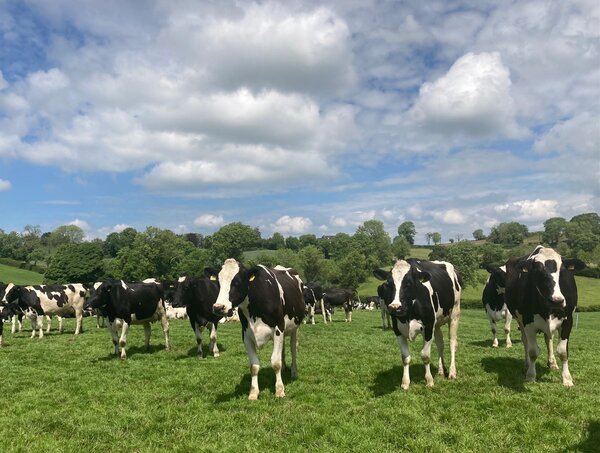
Balmoral Show made a welcome return to its usual slot in the farming calendar this year and it was great to see it back in full force with everyone enjoying the opportunity to catch up with friends, colleagues and patrons. As usual, organisers did a superb job of creating a celebratory showcase of the best that Northern Ireland agri-food has to offer.
The hot topic of conversation was undoubtedly the ripple effects of the war in Ukraine and the resulting impact on input costs locally. Discussed informally and formally at various events held throughout the course of the Show, the importance of the agri-industry and government working together to address the mounting pressures was emphasised. NIGTA have been regularly and actively participating in the DAERA Ukraine Contingency Agri-Food Stakeholder Forum and CAFRE Industry Taskforce on Rising Input Costs.
The mental health impact arising from increasing financial stress was in sharp focus with charitable organisation Rural Support leading the discussion on how to provide practical support to the local farming community. This year marks Rural Support’s 20th anniversary since its inception. During this time, it has grown from strength to strength, offering a diverse array of valued programs designed to support farming families with matters relating to financial management and health and wellbeing, all of which are very relevant right now.
Results from an online survey conducted across 800 farms by AgriSearch and the Ulster Farmers’ Union were also presented at the Show. The survey taken at the end of April examined farmer decision making in response to rising costs. Indications from this snapshot in time were that some farmers intended to cut back on feed and/or fertiliser without tackling stocking rates. The dangers of this approach are clear and without some form of action could lead to a winter fodder shortage.
Despite a kind spring, weather conditions have been challenging for harvesting first cut silage and whilst yields are reported to be relatively good, quality has suffered. A limited window now exists for decision-making around nutrient management, to maximise grass yields for the remainder of the growing season and to ensure there are sufficient fodder stocks for the winter.
CAFRE are hosting another series of farm walks focused on managing rising input costs which are due to take place this week and again the following week, details of which can be found on the CAFRE website.
In these challenging times it is important to remember that support is available from various organisations. In addition to those mentioned above, NIGTA members have a wide array of expertise available with feed advisers, agronomists and fertiliser reps ready and willing to help deal with current challenges and forward planning for the months ahead.
- Category: Feed Forum
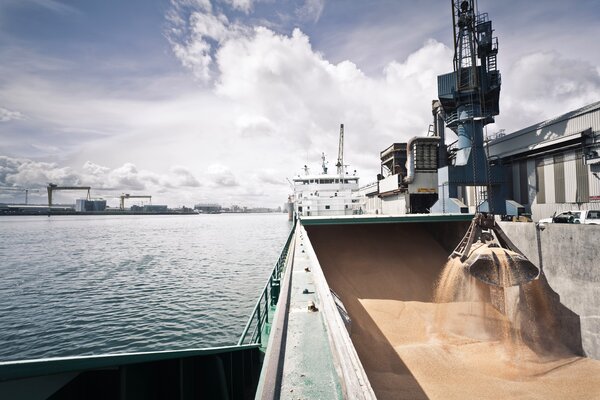
Russia’s decision to invade Ukraine sent shockwaves through global markets, inducing unprecedented volatility and leading to very challenging trading conditions.
Ukrainian port operations have been suspended by the military with reports that at least one port has been damaged by Russian shelling. The full extent of the damage to port and transport infrastructure is yet to be known, but no doubt it will take considerable time to restore and rebuild what has been destroyed. There is uncertainty around how long the war will last, and ports will remain closed until stability has been restored. The major trading and logistics companies have closed their Ukrainian operations and world trade is suffering major disruption as supply chains try to rebalance in response to altered supply and increased demand.
There is also a risk that the shipping pool will tighten considerably as a result of the recent decision to ban Russian vessels from all UK ports. This could further exacerbate the logistical challenges of accessing products from other markets such as Europe, creating even more uncertainty in the coming weeks, and is likely to affect all commodities.
Often described as the ‘breadbasket’ of Europe, Ukraine is one of the world’s largest exporters of grains and taken together, Russia and Ukraine account for nearly 30% of global wheat exports. It is a major supplier of maize to the European market and at this time of the year the Black Sea region would be the origin of choice for Northern Ireland importers because the Canadian Lakes are closed and the Brazilian Safrinha crop is still 6 months away. Local traders face major challenges as they strive to secure alternative supplies from a much-reduced global pool at the time of peak seasonal demand for feedstuffs.
The longer-term risk is the potential for spring planting to be disrupted due to difficulties procuring labour, fertiliser, fuel and finance - leading to further supply and demand challenges going forward as well as extreme price volatility.
Russia is the second largest producer of natural gas globally and the biggest supplier to Europe via pipelines that cross Ukraine. The fertiliser market is heavily reliant on natural gas for production and the strengthening energy markets are suggesting that fertiliser prices are unlikely to ease anytime soon. Russia is also one of the world’s leading producers and exporters of the three main fertiliser nutrients – nitrogen (N), phosphate (P) and potash (K), owing to its substantial phosphate rock, potash and natural gas reserves. Last month, Russia imposed a two-month ban on ammonium nitrate exports and the recent sanctions imposed by the UK and Europe against Russian suppliers and vessels will lead to further shortfalls in product supply. Global fertiliser supplies are already tight which could have knock-on effects for crop yields worldwide.
The conflict is likely to lead to a legacy of logistical challenges even after the war is over – adding to the ongoing impact of the covid-19 pandemic. Never before has the interconnectedness of the world and global supply chains been so apparent and it is difficult to recall another time when we were at the mercy of so many significant external factors beyond our control.
Above all, the humanitarian tragedy currently unfolding in Ukraine is at the forefront of all our minds and our thoughts are very much with the Ukrainian people right now. We truly hope that a swift and peaceful resolution can be found for their sake most of all.
- Category: Feed Forum
The global freight market has experienced a year of rapid growth due to increased economic activity post-lockdown accompanied by exponential demand. However, supply chain disruptions, capacity constraints and covid continue to impact on global logistics with a direct bearing on the availability and cost of inputs.
Earlier in the year, container scarcity, labour shortages, ongoing covid restrictions and congestion at ports reduced supply capacity, which then struggled to cope with the surging demand for container freight. This led to record container prices and the unusual situation of bulk vessels reportedly being chartered to carry containers. Pressure on the availability of larger bulk vessels has since eased slightly and the biggest challenge currently rests in the coaster market for smaller vessels, which remains rock solid, making it increasingly difficult to procure nearby freight. As a result, costs have reportedly skyrocketed to almost four times higher than the previous five-year average, which is impacting on grain markets for wheat and barley in particular.
Fertiliser is another major area of concern as the high energy prices have forced many manufacturers to cease production. With no production capacity on the island of Ireland, all fertiliser supplies arrive by sea and will incur high freight costs on top of prices already massively overcooked as the different regions of the world battle it out to secure the limited tonnage available. Analysts envisage that global distribution problems will continue well into 2022 as the market continues to be short of vessels, the impact of which will be felt across a wide range of materials.
This is contributing to the perfect storm of price increases faced by local livestock farmers, led by grain markets which remain firm with strong global demand for wheat set against tight stocks. Whilst a bumper Australian crop is anticipated, harvest delays due to rain from the weather phenomenon known as La Niña are causing quality concerns. Wheat prices have been escalating since July, but took a tumble in recent days due to uncertainty around the new covid variant, although this is likely to be short term in nature. Meanwhile, Russia has imposed a floating tax on exports in an attempt to maintain domestic grain stocks – this is likely to result in higher demand for EU wheat and a further tightening of stock levels in Europe. Recent Rabobank analysis has suggested that high prices could create the potential for the grain area in Europe to expand in the near future.
- Category: Feed Forum
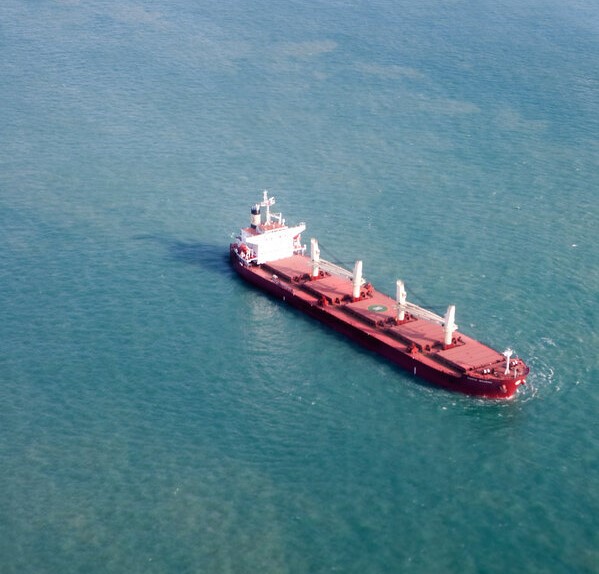
The ongoing Russian blockade of Black Sea ports has sparked fears of a global food and economic crisis which is why all eyes were on the Razoni this week, the first vessel to leave the port of Odesa in Ukraine following the landmark deal brokered by the United Nations and Turkish officials to allow grain shipments to resume via the Black Sea. Bound for Lebanon and reportedly carrying 26,000 tonnes of corn, the Razoni was inspected and cleared by officials in Turkey before continuing its onward journey.
The safe passage of the Razoni is both a relief and a welcome development in an increasingly fragile situation. Whilst it is hoped that the remaining vessels that are loaded and waiting to depart will be able to follow suit soon, the longer-term picture looks more uncertain.
With trust being an implicit cornerstone of the agreement, Russian actions have done little to build confidence given the attacks on Odesa less than 24 hours after the grain deal was done and the subsequent deadly missile strike on the home of the founder of a major Ukrainian grain export company, Nibulon.
Turkish officials have said that up to five ships per day could leave Ukrainian ports, but as yet no further vessels have set sail. Around 20 million tonnes of grain await export, which could rise to 75 million tonnes following this year’s harvest, according to Ukrainian President Volodymyr Zelensky.
There are also additional hurdles to overcome in terms of insurance costs, and the willingness of freight operators to take the risk of sending vessels into the Black Sea to collect loads, as well as being able to secure crew for the journey.
As such, it is a very uncertain picture which ultimately hinges on whether the safe passage agreement holds. It is therefore unlikely to have a significant impact on the local market, which continues to look to alternative sources for raw materials.
Elsewhere, weather remains a key watchpoint with the ongoing hot and dry conditions in Europe causing concern, particularly for the corn crop which is forecast to be down by 10-12 million tonnes.
Spiralling energy prices are also adding to the burden of input costs for both feed and fertiliser.
Gas prices are around six times higher than the same period last year amidst growing concern that Russia will provoke an energy crisis in Europe after it suspended gas deliveries to several EU countries because of their refusal to pay in roubles as well as reducing flows to the Nord Stream 1 pipeline to around 20% of capacity. As such, EU member states are being urged to save gas to build up stores for the winter, prompting rationing concerns for industry.
Fertiliser manufacture is an energy intensive process which risks further curtailments in production if prices continue to rise. BASF have already stated that they are considering further cuts to ammonia production in their German operations due to the price of gas, which will restrict supplies to the market.
The Russian invasion has driven up the cost of all fertiliser raw materials due to the more limited availability of product and thus need to source from further afield, which has also resulted in longer lead times.
Fortunately, grass growing conditions this year have been exceptional and have been able to compensate for any risks taken on reduced nutrient applications. However, as our increasingly changeable weather patterns demonstrate, the same growing conditions cannot be guaranteed for next year and thus the same gamble may not pay off next time.
Now is an opportune time for forward planning for next year. As ever, maximising the nutrient use efficiency of fertiliser is key to maximising yield and quality as well as being more cost-effective. This requires routine soil testing to ensure nutrient decisions are based on accurate information.
Through the Soil Nutrient Health Scheme, DAERA are offering to provide farmers with detailed information on the nutrient status of their soils and those farmers in Zone 1, which covers the South East, are encouraged to register online by the deadline of 31st August 2022. DAERA have confirmed that individual farm data collected will not be used for enforcement purposes but participating in the scheme will be a requirement for receiving future farm support.
- Category: Feed Forum
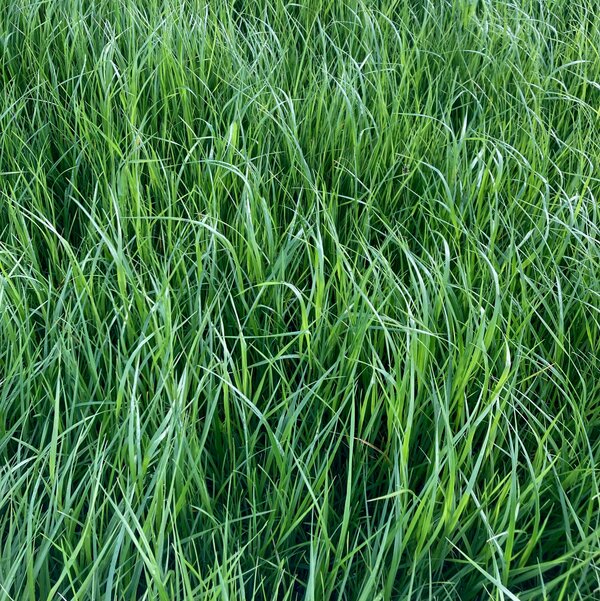
Silage season has arrived bringing with it hopes and prayers for good weather. With the precious first cut underway in parts of the country, thoughts will now be turning to preparations for second and possibly third or even fourth cut, as building good quality fodder stocks will be essential to buffer the unknown winter that lies ahead.
Managing rising input costs remains an ongoing challenge and whilst farmers will no doubt be seeking to maximise all available resources, including slurries and manures, understanding the nutrient limitations of manures is important because placing too much reliance on them at the expense of adequately supplying crop nutrient requirements could be a false economy. Over application of manures is also not the answer and could lead to undesirable environmental outcomes. Good management and careful planning are therefore needed to strike the right balance.
Measurement is at the heart of good management and as such, soil testing and analysis should form the basis of all nutrient management decisions. DAERA recently launched a new Soil Nutrient Health Scheme which will provide farmers with soil analysis results and farm maps detailing the nutrient levels of each field with the intention that all fields in Northern Ireland will be sampled.
In addition to providing information on the nutrient levels in each field, the farm maps will also be capable of identifying fields prone to nutrient loss via run-off to waterways which will enable better decision making on where and how to apply nutrient. Nutrient loss is both an economic and an environmental problem which should not be overlooked at farm level.
Earlier this year the NI Assembly passed its first ever Climate Change Bill and whilst there was some relief that common sense eventually prevailed so that the targets set reflect the science and circumstances of NI, the challenge of achieving these targets remains. Whilst efforts to reduce greenhouse gas emissions at farm level will continue, it is also important for farmers to be acknowledged for the unique role that their farms can play in sequestering carbon, thereby offsetting some of these emissions. To date, data has been lacking to be able to properly account for this, but it is hoped that the new Scheme will help to create a baseline by estimating the amount of carbon stored in farmland soils, hedgerows and trees.
DAERA’s Soil Nutrient Health Scheme is to be rolled out in stages over the next four years by geographical zone, starting with Zone 1 which covers most of County Down and some surrounding areas. Farmers located in Zone 1 will be contacted directly by AFBI who are administering the scheme.
- Category: Feed Forum
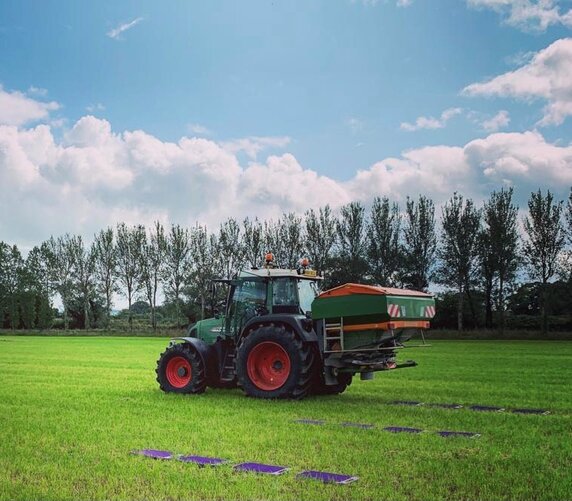
Recent price hikes in the gas market have been well documented with knock on effects for commodities which rely heavily on natural gas like fertiliser production.
The flurry of post-lockdown economic recovery has led to soaring gas prices as supply has struggled to keep pace with demand. Last summer bore witness to unprecedented gas price rises which prompted a temporary hiatus in fertiliser production across Europe in the early Autumn resulting in a shortage of stock, which the market is still struggling to recover from.
External influences in the market are also placing additional pressures on product availability. The Chinese export ban was instigated to protect tight domestic supplies resulting from the closure of many of their coal fired production plants. Meanwhile, Russia has imposed export quotas on certain compounds with the risk of a ban looming if the geopolitical instability of the Russian Ukraine situation escalates. As a result, traditional customers for both of these markets are now being forced to source elsewhere, placing additional pressure on the European market in particular, and with global fertiliser supplies having tightened considerably, cargoes are becoming more difficult to obtain.
The issue of working capital presents an additional challenge to the supply chain as the cost of financing fertiliser is now 2.5 times greater than last year. It is also forecast that strong gas prices are anticipated to last into the summer months and through to next winter.
Whilst stocks of fertiliser appear to be adequate for this quarter, spring demand could be the pinch point that results in supplies being depleted and a battle to replenish in time.
As a result, routine soil testing is now more important than ever and reports are suggesting that farmers are paying closer attention to the pH of their soils and investing in lime. This is essential to maximize the nutrient use efficiency of the fertiliser that is applied as sub-optimal soils can limit both yields and quality. As nutrient balance is the key to success, the temptation to over or under supply certain nutrients should be avoided as this will not be economically beneficial in the long run.
- Category: Feed Forum
World leaders gathered in Glasgow this week for the United Nations Climate Conference, COP26. With the aim of accelerating action to limit global temperature rises to 1.5C, the Global Methane Pledge was launched as a major step towards slowing warming in the short term. Over 100 countries have now committed to cutting methane emissions by 30% by 2030.
Methane emissions arise from natural sources and human induced activities such as oil and gas production, landfill and agricultural activities. While it is a short-lived gas, which means it remains in the atmosphere for a much shorter period of time than carbon dioxide, methane’s potential to warm the atmosphere is over 80 times greater than carbon dioxide over a 20 year period. At the launch of the Global Methane Pledge, European Commission President, Ursula von der Leyen, described reducing methane emissions as a mechanism that will “immediately slow down climate change.” The initial focus will be on the fossil fuel industry, but agriculture will also be expected to step up to the mark.
“Agriculture is part of the climate change solution and is already playing its part. There are a range of initiatives ongoing throughout the local agri-food industry to tackle emissions and improve carbon sequestration,” according to Gill Gallagher of the Northern Ireland Grain Trade Association. “The feed industry is acutely aware of the challenge and has been proactive in delivering tailored environmental training to ruminant feed advisers throughout Northern Ireland, equipping them with the knowledge and tools to guide farmers on best practice in reducing greenhouse gas emissions and nutrient losses. Our focus is very much on efficiency, as a more efficient farm tends to be a more profitable farm with a lower carbon footprint. Good farm management and precision nutrition are absolutely key in this respect. Maintaining a healthy rumen environment, improving herd health and fertility, whilst maximising nutrient management all lead to productivity gains and can in turn contribute to a lower carbon footprint. We can, and are, doing these things now. To go further, investment in science and innovation is urgently needed to identify cost-effective emission reducing technologies, alongside clear market signals and realistic policy direction.”
Northern Ireland is currently grappling with the unprecedented situation of two Climate Change Bills progressing through the Northern Ireland Assembly. “We support the need for climate change legislation, but it is essential that the targets set are evidence-based having due regard for the unique circumstances of NI. The agri-food industry is the cornerstone of our economy, and we are proud to be one of the most efficient livestock producing regions in the world. It would be ludicrous to throw this away in favour of having a 2045 net zero target. We produce food for 10 million people and we do so very well - with a low carbon footprint. To decimate our industry and offshore this production to less carbon efficient regions would simply defeat global climate change objectives,” warned Gallagher.
- Category: Feed Forum
- You are here:
-
Home

- FEED FORUM